Home

Wednesday, 17 April 2019

17.04.2019
After sketching the wave out in pencil and mapping out the different colour bottle tops in block colours to gage how many I had, I started to fill in the wave. Using a mixture of darker colours at the body of the wave with white and silver at the foam, I was able to achieve a range of shades and tones, which from a distance seems blended. So far the mural has been tricky and time consuming to achieve the desired colour distribution, and I have used a lot more bottle tops than expected. This is because in some parts I have placed smaller bottle tops within larger ones to create a smoother transition of colour. This technique has worked extremely well and has created a harmony within the wave whilst still remaining dramatic. 
Once I have set out all the bottle tops in their specific position, I will start from the bottom up using a small dab of glue to secure the bottle tops to the wood.


Sunday, 14 April 2019

14.04.2019
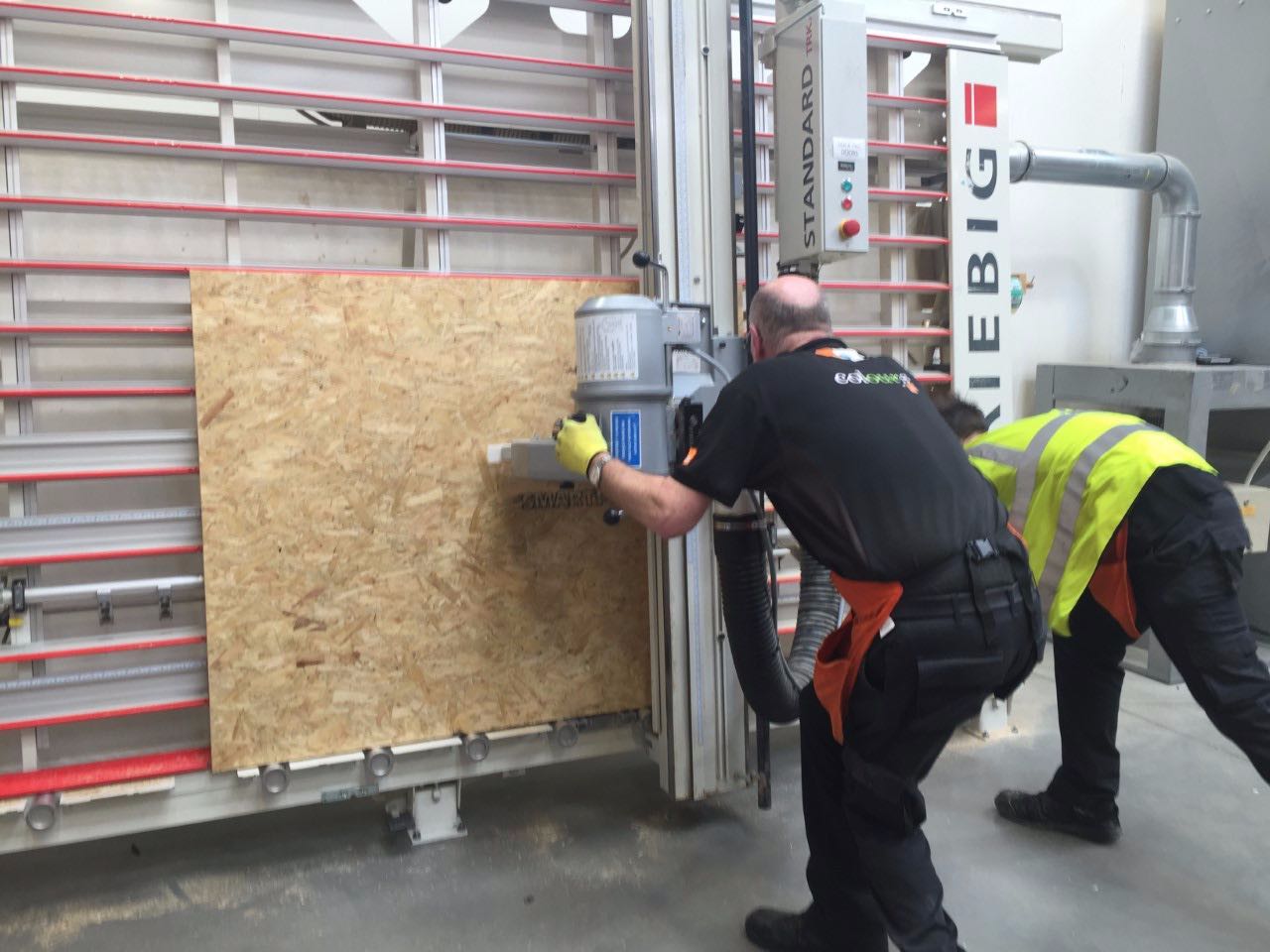
Today I spent my time prepping materials to start the bottle tops mural tomorrow. Starting at B&Q I purchased 2 sheets of 9mm oriented strand board and got them cut to size. I then applied a base coat of a slightly blue tinted white. 


I then gathered all the plastic bottle tops that have been collected from both myself, the university, the students and my family and friends. Sorting through and separating the odd metal ones and larger bottle tops, placing them into a colour coordination. I was very surprised with the amount collected and am hopeful I will have enough to complete it over the Easter holidays. 


Saturday, 13 April 2019

13.04.2019 
As a Greenpeace supporter/donator I received an invite to join in on the weekend of tours at The South Quay docks in London, to have a tour of their ship Esperanza. I was very excited about this opportunity to talk to Greenpeace campaigners myself, and check out the vessel they use for expeditions such as chasing ships with illegal cargo like timber from the amazon, or collecting research on the polar bears in the arctic. From the tour I found out that the ship can spend up to 60 days at sea at a time without docking, and the crew usually spends 3 months on 3 months off. 
At the end of the tour one of the campaigners met us and gave us a run down of where the ship is going next and what the latest campaign is. The ship on Monday is leaving London and making its way to the North Pole. Here it is embarking on a 12 month journey where it will visit desperate parts of our oceans that are in danger in many different ways. This journey will form research and spread the word about 30x30. Greenpeace is currently working towards securing a global ocean treaty that would protect 30% of the worlds oceans by 2030. This is a necessity for the health of our oceans and the animals within it, and a hopeful step for the future. 
It was inspiring to hear about the dedication and work everyone at Greenpeace is achieving or working towards. It has given me a new determination to really use my work within our end of year exhibition, Amalgamation and the artwork for the Students Union, to spread awareness about plastic pollution within our oceans and plant the distressing images of suffering that are the animals reality. 


12.04.2019
I collected the bottle tops the Students Union had collected over the past couple of weeks along with the ones collected from the LRV night and was surprised by the amount! This has made me extremely eager and excited to get started on the mural.


As we decided against resin to keep the piece recyclable and chose to get an image printed instead, it seems a shame to dismantle the work straight after completion. Because of this I thought it would be better to display the piece in our end of year exhibition, Amalgamation. This would give everyone who was involved in collecting and advertising/organising a chance to see the bottle tops in action, making the reveal of the piece all the more exciting. 
So with the idea that the physical mural would be displayed, I will use a MDF board as the base, using a small amount of hot glue to fix the bottle tops to the board. This will be easily picked off so should remain recyclable and I will be able to reuse the wood or offer it up to another student on my course. 

Friday, 12 April 2019

12.04.2019
After really struggling to get replies from anyone involved with the project for the Students Union and with time quickly passing by it felt like nothing was moving on. But once I heard back, we decided to wait for workshops until after Easter and that I would now complete the work from home over our two week break. 
We had discussions over making sure the piece is  recyclable, otherwise we would be adding to the amount of plastic waste and to the problem. So we decided to drop the idea of using resin and thought about producing the mural, photographing it and getting it printed onto weatherproofed foamex instead, a much less permanence material. This will mean the bottle tops can get recycled straight away and the only waste produced from the piece would be the printed foamex. But as it will be printed and reduces the risk of the work getting damaged or weathered, it could even increase the time the work will be up for.
The article promoting the project was uploaded 08.03.2019 including the information and image I produced, which can be found at: 

https://www.staffsunion.com/news/article/staffsunion/Plastic-The-Slow-Tsunami/?fbclid=IwAR1Fhv2EQKqJdBoth0SEcGEKROOlaepRiw5zFXDXmZqEbIkhc3N83_lWfU8

The advertising on social media has also finally been circulating as the Students Union page uploaded an event for LRV's Flashback Friday night, promoting it by revealing if you bring 10 plastic bottle tops before midnight you get free entry! This is exciting as the student nights are normally quite busy, and with it being the last one before Easter holidays, we should get a few more collected!


https://www.facebook.com/events/1198997373595242/

I will be collecting the bottle tops that have been collected throughout the university late this evening and I am excited to get the work started! 


Thursday, 11 April 2019

11.04.2019
For our end of year exhibition this year we are teaming up with Level 4's and having a joint exhibition. Last week we had to present a proposal with 2 desired spaces from the floor plan and were then given a designated room/space. I was unsure about what work I would include and in what way I would present this work, and was given a space I didn't request. This turned out for the best, as the space I was given inspired me with a new idea.
I will use my animal pollution sculptures still but drop the idea of my shop 'PolluShine'. I was originally going to reinvent the shop idea I used in my AirSpace exhibition, by creating a closed space with added elements such as ocean sounds and accompanying brochures etc, but decided that I wanted to test out the sculptures in a completely different way. 
Going back to a more traditional white cube style display, I will place the 'Seal Choker', 'Turtle Nose Stud' and 'Penguin Cape' at varying heights, whilst suspending my 'Seagull Raincoat' sculpture directly above with clear fishing line. The height will be determined by the size of the animal, the 'Seal Choker' will be placed on the tallest plinth 80cm H, the 'Turtle Nose Stud' on the second tallest around 20-30cm H, and the 'Penguin Cape' on the floor in a painted square. The plinths and painted square will be a rich, deep renaissance blue. This is linking back to the environment our pollution is damaging, the homes and lives of these animals, our oceans. The height and levels of the animals with the splash of blue will also relate to their natural interaction with the ocean. Penguins walk as well as swim, turtles swim low to the oceans bed, seals are larger animals in general and seagulls obviously fly. I will then use the fish nets and fishing line I used to create the 'dresses' in my 'PolluShine' shop to create a collage of different types of nets and materials to make one large net. The collage effect will aim to exert worry over just how many/how many different types of ghost nets are caught up and abandoned in our oceans, and give a glimpse of the damage its doing. 


As this is our last exhibition before our final year in our degree, the level 5's are taking most of the planning on. We split evenly into 3 separate groups; marketing, event planning and logistics for install. I chose the marketing team, and since we have already set up an email, Facebook event page and instagram page. One of my team members has created a poster and I created an online invite:  
The name and image was chosen as a team by our whole year and we are beginning to get a few documents together to promote the exhibition as well as we can. I am also in charge of sorting the press release over easter and getting it to the right people!
I'm very excited for the end of year exhibition as everyones work is so different, and with such a large group to exhibit with, it should be a very unique show! 

Tuesday, 2 April 2019

02.04.2019
This semester I have mostly looked at two artists, Mella Shaw and Mark Dion. 
Mella Shaw is a British artist who was featured at the Collect Open, Saatchi Gallery in 2018, and is now currently on a nationwide tour with her work, Harvest. Harvest is an installation in response to the statistic that by 2050, there will be a greater weight of plastic in the oceans than fish. This large scale installation includes hundreds of detailed press moulded and slip cast clay 'plastic' bottles, containers and fish, as Mella aims to search for practical solutions to our desperate situation. 
I took interest to her work as she too is tackling plastic pollution within our oceans through sculpture, but I also found the link to material and context fascinating. Clay is generally heavier compared to light weight plastic, and is natural in contrast to the man-made material. By using a heavier material, she is exaggerating the weight of the situation whilst not adding to the problem by creating more plastic. This is a detail you wouldn't necessarily realise until you researched into the work more. The idea of searching for information within the work intrigues me as it proves the facts are out there if we choose to listen/find them. We have lived off an out of sight out of mind ethic towards plastic and waste for decades, and that level of wilful ignorance needs to change. We all need to be researching and seeing for ourselves the detrimental effects of plastic as a material when it comes in contact with our environment and wildlife. This is a trait I wanted to transfer into my work with using polymer clay and plastic based materials for my sculptures.
It was really helpful to look into Mella's work as she is tackling the same issues and topics within her practice as mine, and is very much a current working artist. This was great to see the journey of her work, where its being displayed and how, and inspiring to see how artwork can impact the way people consider plastic consumption within their household.   


Mark Dion has also been a great influence. He is a conceptual artist widely known for his scientific presentations within his installations. I was looking more specifically into his 1999-2000 work, Landfill. The calculated chaos of the work and how it looks gradually built up from time, gives this sense of a natural accumulation. But natural feels like the wrong word as it's anything but. The mixture of plastic and waste is used as a record, where information collected are the consequences from life itself. The natural record of life should be the birds on branches or surrounding environment, instead of the rubbish we're leaving behind. As Mark has used a closed diorama, the space feels very claustrophobic and triggers an uncomfortable and desperate response. It feels as if you're looking through a window to another world or another reality. I think this creates some distance from our world and this imagined space (which isn't really imagined at all), instead of making the audience feel involved and also consumed. This piece is interesting though as it feels timeless, it could be about the past, present or future, and speaks a general warning about the destruction we're leaving behind, and the unhealthy relationship between humans and our environment. 
Mark Dion has been a great help for researching into successful installations, as I had never made a scene for myself before. He has an art for occupying a space without over filling it or not including enough elements. As his work tends to be based on factual and scientific messages, he translates this information into an immersive and inquisitive experience. Similar to what Mella did with material, Mark is answering most questions but allowing the audience to inquire themselves, what the work is about. Leaving room for exploring is vital to Marks work as its all about finding truth and encouraging change. This is a technique I ultimately used through my staged shop, PolluShine. 


Sunday, 31 March 2019

30.03.2019
I arrived at AirSpace for de-install at 9:30am. Armed with 3 helpers, within 45 minutes - 1 hour it was all down and boxed away. This time working in the opposite order, we started with the elements from the bottom up. Once all the sculptures and supporting works were neatly boxed away we removed the items from the ceiling and filled any holes we made, finishing by touching up the paint on the wall where the sign was. 
Reflecting on my time at AirSpace and my first solo exhibition was very emotional. Having this experience has opened up my eyes to life as a working artist, and the jump from University to post-grad in the next couple of years will no longer feel so daunting. From stepping outside my comfort zone and pushing myself, I now have an exciting and promising start to my artist's CV. 
During my time at AirSpace I have received a great amount of support and backing through social media outlets like the Gallery's facebook page. Their final post read "Been great to be able to support Staffordshire University's Level 5 Fine Artist Polly Bates with her work "PolluShine - Is It Worth It?" InTheWindow. The work is coming down today but it has some posterity in this piece in the local newspaper - all arranged by Polly herself. With this level of commitment, ingenuity and hard work, we've got high hopes for Polly as she approaches the final year of her degree.". It was elating to receive feedback from someone with so much industry experience, and who I had worked closely with for this project. 
For the amount of hard work, commitment and months of preparation it took, the week absolutely flew by. It has been so rewarding, and I was really impressed with what I achieved. Thanks again to everyone who supported, encouraged and guided me through this opportunity, I hope I have many more. 


Friday, 29 March 2019

28.03.2019
I received an email on Wednesday that the article about my exhibition at AirSpace would be in thursdays paper. So in the morning I picked up a couple of copies to find my image on page 15 of The Sentinel. This was a very exciting moment and a fantastic opportunity to reach a wider audience, creating a buzz and crowd for the installation. It also means that someone could find and access information or images about the work without getting to the window, through the Gallery’s website. This being my first opportunity for widespread publicity, has been really successful and I have really enjoyed the whole process. I’m very greatful to The Sentinel for taking the time to include me and photograph the work, and I hope it brings more attention to the installation and cause.


Tuesday, 26 March 2019

26.03.2019
This morning I received an email from The Sentinel newspaper that they would like to meet at AirSpace to take some photos of myself with the exhibition. After ringing and agreeing a time, we met at 3:30pm and the photographer took a range of photos. He emailed me some and let me know it would be in Thursdays paper. 


I was thinking about other ways I could make a difference with promoting recycling and reducing plastic pollution, and I decided to write to the council. The road I live on is only supplied with a small box and bag for cardboard and paper. This is not a sufficient container as it is too small and collected only once every two weeks. From speaking to other students and residents in the area, but also just looking at what is put out for collection every 1-2 weeks, its clearly noticeable that plastic items are being thrown away into the general waste bin. This means that items that could be recycled are instead going into our landfills and spilling into our environment and ocean, leaving hundreds - thousands of years of damage and destruction in its trail. Below I have attached the email I sent as a plea to increase the recycling collection to once a week, or supply us with a recycling bin:

Good afternoon, 
I am a student at Staffordshire University living in Shelton in a house of 5. Every week our recycling is over flowing, as we are only given one small box and a bag for paper and cardboard. Not only is this such a small container, but this is meant to last us 2 weeks until collection. I have attached a photo of our box of recycling after just one week. I know that many people in the area have the same problem, and end up throwing items that could be recycled (such as plastic) in the bin because of this. 
I write to you as a plea to supply us with recycling bins or a more frequent recycling collection, so that we can reduce the amount of plastic pollution in our landfills, but also into our environment and oceans. We are at a global point of crisis and for us to reduce the damage we are causing, we first need to stop adding to the problem. I speak for all the students in the area when I say we want to do all we can but feel restricted. If recycling was more accessible it would drastically reduce the amount of waste in our landfills. 
Please help us help our environment. We need to come together as a community to do all we can. 
Thank you for your time, and I look forward to your reply. 

Polly Bates


Monday, 25 March 2019

24.03 - 30.03.2019
An installation of a staged shop window; ‘PolluShine, Is It Worth It?’, aims to highlight how barbaric and damaging we are being to marine life and surrounding species. Using a mixture of made and found plastic objects, a shop scene demonstrates the impact of man’s consumer culture on wildlife and the environment. With sourcing and packaging of our food and products, we are inflicting this lifestyle onto the animals effected. This installation is a call to arms, and recognises the need to work together to create change. Less than 20% of all plastic is recycled globally, with 40% of plastic produced being single use packaging (National Geographic 2018).


Each sculpture represents a real circumstance, a painful reminder of the destruction we are leaving behind.

http://www.airspacegallery.org/index.php/projects/polly_bates_pollushine_is_it_worth_it


25.03.2019 
I was very excited to visit my exhibition at AirSpace Gallery today, to take some photos and to watch the public react with the space. I arrived around 12pm to catch the lunchtime rush, but saw that the 'Gulf Feather Oil' had fell over. After contacting Glen and retrieving the bottle from the window, it was clear that the sun we had in the morning had caused the oil to heat up, expanding the bottle until it was misshapen. I had to unfortunately remove the piece from the window as a result, but was lucky the bottle didn't burst onto the table and table cover. 


After dealing with this minor issue, I plotted up across the road for 2-3 hours watching pedestrians as they passed the gallery. It surprised me the amount of people who managed to walk past without a glance in the window or even the direction. I hadn't considered how hard it would be to catch their attention, only how to keep it, so this was a shock to me. As I watched I realised that those who did show some interest into the installation would only occasionally stop or slow down to get a better look or to read my artist statement.


This lead me to think about other ways I can draw attention to the work. How can I get an audience to the window that weren't passers by and walking to a destination, but their destination was the installation itself. So I emailed The Sentinel, Stoke on Trent's local newspaper, with information about myself and the work with a few images. Very soon after I received a reply from the executive print editor that they would use the story in the paper! This is very exciting as now I can reach a much wider audience for raising awareness about the window and my message behind the work. It will also hopefully bring in a crowd that has more time to spend in front of the work, with time to reflect and re-evaluate the amount of plastic usage in their household. 


Sunday, 24 March 2019

24.03.2019
After finishing off my sculptures and accompanying objects, It was time to box them up ready for install at AirSpace Gallery the following day. With minor jobs like building and painting the plinth, the last minute touches were finished off.
I then arrived at AirSpace this morning at 10am with two helpers for the day. As I'm not experienced with drilling and installing an array of different artworks, I have little knowledge to adapt to situations or issues that could've arose, so it was very helpful having someone who was.


We began installing the elements that were to be suspended from the ceiling, so we could work from the top to bottom. This was a premeditated strategy which proved essential to an efficient install. The window is raised from the floor of the gallery around 40-50cm, which restricts movement once the step ladder is inside. After securing the light, sun catchers, and the voile backdrop, with the advice of my helper we were able to hang the seagull from two cup hooks instead of one. This reduced the amount the sculpture swayed so that it was secure in one position.


Once we were finished with using the step ladder we were able to move onto placing the rest of the pieces, working next by finishing the right half of the window before the left. After visiting the gallery on Friday to take last minute measurements for the table and plinth, I realised I had to tweak my plan slightly. I had intended to have the table in the left half of the window, but decided to swap it over as the window's floor was raised too high from the pavement outside. This would have meant that the table would be too high, restricting the reflection from the mirror to around the bottom of a passer by's neck upwards. This could have prevented a moment for reflection that I wanted for the viewers, to be able to see themselves next to the sculptures which were sitting on the table. By swapping the table to the half of the window which was on a smaller angle of the hill outside, I was able to achieve an appropriate height.


Once I was happy with everything in the right half of the space, Glen added the vinyl lettering to the window with my name and information. This was such a surreal moment for me, I was thoroughly enjoying myself and any nerves I had about having my first solo show was replaced with excitement. All that was left was sweeping up and positioning the plinth with the 'seal choker' sculpture along with the clothes rail. Once I was happy with the positioning we trimmed the voile and drew back the divider/door.

I am overwhelmed with the result as my sketches have truly been transformed. The window doesn't look over crowded or bare, but seems to occupy the space with a strong presence. I believe that the work displayed is eye-catching, upsetting and necessarily provoking. We are at a point of crisis and hopefully the images displayed will stick in peoples minds, forcing them to take action.
I have learnt a lot so far about all the planning and experimenting needed to create a successful exhibit. My eye for detail is a lot finer now, as it is so important to keep standards high for both yourself but also the gallery supporting and collaborating with you. We had been working on the window from 10am to around 3pm pretty much constant, which was longer than I had expected, but have loved every moment.


A special thanks to Glen and Anna for aiding me with this opportunity, and to my helpers from today with install.

http://www.airspacegallery.org/index.php/projects/polly_bates_pollushine_is_it_worth_it

Wednesday, 13 March 2019

12.03.2019
For the run up to our end of year show, we set up a test exhibition to try out different set ups or finished works. As my solo exhibition at AirSpace was fast approaching I wanted to set up the main sculptures and elements to receive some feedback.
Using a plinth to display 3 sculptures I tried to translate a shopping environment. With the display of mannequins in front, and the clothes racks for rummaging behind. As this was just a test exhibition and I only displayed a selection of the main pieces, I kept it quite bare with a traditional white cube style display. Seeing these works in that way proved that they needed to be contained and within a scene behind them, the bare and clinical feel felt very cold with a more confrontational message. Although this could've been the way I chose to display at AirSpace, I wanted to create an atmosphere that was less loaded with accusations. Making the display in a way that didn't point the finger was very important to me as my aim is to inspire change, not make anyone defensive or dismissive.
As I was talking through my ideas and intentions for AirSpace there was some confusion over why am I making a shop and what am I selling? Making it into a shop environment is to highlight where the neglect to the marine life and surrounding species is taking place, in food and product packaging. We are the consumers purchasing products wrapped in a dangerous and harmful material, and will be looking into the shop at the impact these plastic materials are having. We had discussed using a vinyl sticker with a fact or quote in the window to add some context for the viewer to help them understand my message. I think I have decided against this as hopefully with all the elements together they will be able to read the story themselves. It's important that this work makes a strong impact on the audience and part of that experience is doing the type of 'research' into the exhibition, similar to how we should be researching into our situation. One way I can make sure there is some clarity if someone can't work it out themselves, is by perfecting an artist statement. This needs to include why it is a shop, why I have used certain materials, what type of pollution its targeting, and what is my aim of the display. 
Other than concerns about about the audience receiving my work, I had some reassuring feedback that the sculptures ignited a deep discomfort and sadness. They are powerful pieces of imagery loaded with different emotions, I believe they will really stick in peoples minds and make them reconsider the amount of plastic within their household. 


Sunday, 10 March 2019

07.03.2019
Thursday we had a visit from artist Jasleen Kaur who's work focus's on identity politics and structural inequalities. Jasleen's practice is informed from inherited issues, a result of race or culture, whilst exploring personal histories of herself or others around her. 
Asking what is culture, and who benefits from cultural production? 
Jasleen explained that the word culture originates from agriculture, a word of hard work and labour. Culture is the everyday woman in her kitchen making a meal for her family that's been passed down from tradition, not necessarily an exhibit in the V&A that's labelled so. Culture is something people work at and try to keep alive. 
Jasleen went on to discuss a project she completed in 2010 where she wanted to transform the statue of Robert Napier, who fought in the first and second Anglo-Sikh war, by putting a turban over his helmet. As she was having trouble with getting permissions from the council and needed permission from the family, the direction of her work was took off course. She contacted the grandson of Robert Napier and instead of putting the turban on the statue, she asked if she could put one on himself. By wanting to tackle the power wealth empire of the men in statues in our cities, this had taken her to a direct descendent of someone who was of different ethnicities and cultures, but together, shared a piece of history. This turned into a more socially engaged practice and I would say a more successful one. They were able to share this intimate experience of her dad building the turban whilst they discussed their connections and the consequences of the war. 


I found this whole process fascinating and reassuring that even when something isn't going quite to plan, there's always an opportunity to create something remarkable. 

06.10.19 As I received an email from Curatorspace.com that my proposal had been accepted on the morning of Thursday 26th Sept, it only ga...